
In today’s interconnected world where almost everything is online. Protecting data from cyber threats is more important than ever. But what exactly is cyber security? This article explains cyber security in a simple way. It covers the causes. Why is it important? And how does it affect everyone?
What is Cybersecurity all about?
Cybersecurity means keeping systems, networks, and programs safe from digital attacks. These attacks can steal or destroy sensitive information, and they can disrupt business processes. Today, cyberattacks are a constant threat to organizations. Attackers try to access, change, or delete data, steal money through ransomware, or stop important operations. The rise in connected devices has made it harder to stay protected, as attackers grow more clever.
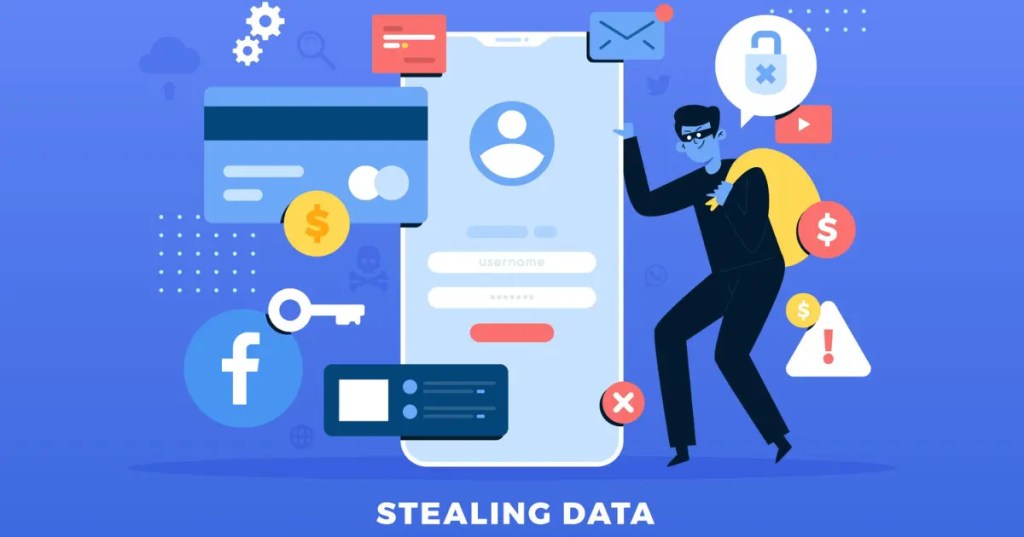
Strong cybersecurity needs many layers of protection across all levels. This includes computers, networks, and data. Companies use unified threat management gateways to detect and fix threats automatically. These gateways connect smoothly with other security tools, speeding up key tasks and creating a stronger defense. Good cybersecurity depends on people, processes, and technology working together. Each plays a key part in stopping cyberattacks. Employees must follow the right steps, while smart technology helps with automated systems and advanced solutions that keep data and systems safe.
Why is cybersecurity important?
In today’s world cybersecurity solutions are key in fighting many threats. Cyberthreat researchers work hard to spot and fix vulnerabilities. This is crucial for protecting critical infrastructure, such as power plants, hospitals, and financial services. They also tackle emerging threats and cyberattack strategies. These issues could lead to identity theft or extortion attempts. By focusing on data protection and improving cybersecurity education, researchers help make the internet safer. They create and refine open-source tools to boost security. This broad approach helps both people and organizations stay safe from cyber risks and keep the internet secure.
Common Cyber Threats
Understanding the types of dangers online is key to understanding cybersecurity. Here are a few common threats:
Cloud Security
Cloud security is key in cyber security. It focuses on protecting cloud computing systems from threats. It keeps data private across online-based infrastructure, apps, and platforms. Cloud providers, serving small businesses or big enterprises, play a vital role. They use strong cloud security methods to keep client data safe.
These methods help build customer trust. They use identity and access management (IAM), governance policies for threat prevention, detection, and mitigation, and data retention strategies. Business continuity (BC) planning and legal compliance are also crucial. Though similar to legacy IT security, cloud security needs a unique approach for today’s cloud challenges.
Why is cloud security important?
In today’s digital world, cloud security is vital. As companies move to cloud-based setups, like IaaS, PaaS, and SaaS, they face new challenges. Managing cloud infrastructure, including scaling apps and services, often means outsourcing many IT tasks to cloud providers. Still, companies must keep control of their data security and accountability.
Cloud security helps protect data across apps and workloads. Even though cloud providers follow top security practices and guard servers well, businesses need to focus on data protection too. Security threats are getting smarter and target cloud providers, using gaps in data access and movement. This highlights the need for strong governance and compliance to protect client information.
Whether using public, private, or hybrid clouds, good cloud security solutions are key for business continuity. Cloud infrastructure supports many industries and verticals. Keeping it safe from modern cyberattacks is crucial for business strength and reliability.
Phishing
Phishing is a common cyber threat involving fake emails. These emails may look like they come from trusted sources. Their goal is to steal sensitive data, like credit card numbers and login info. Phishing tricks people into giving away personal details.
To protect yourself from phishing, stay informed and use tech solutions. These tools filter out harmful emails before they reach you. By learning about phishing and using strong filters, you can lower your chances of falling for these scams.
Ransomware
Ransomware is a type of malicious software that tries to extort money from users. It blocks access to your files or even the whole computer system until you pay the ransom. Paying the ransom does not guarantee that your files will be recovered or your system restored. This threat shows why it’s crucial to have strong cybersecurity measures. They help protect your files and keep your systems safe from such attacks.
Social Engineering
Social engineering is a trick used by attackers to get sensitive information. They might ask for money or try to access your confidential data. This tactic often works with other threats, like malware. It makes it easier for you to click on harmful links or trust a malicious source. This kind of deception can lead to fraud and serious security issues. Knowing about these threats and their tactics helps you stay alert and protect your info.
Identity
Identity security and access management are crucial for protecting digital identities across people, devices, and organizations. By using strong security processes and the right tools, you can control user access to accounts. This also helps ensure smooth access to important information. The main goals are
- To authenticate a user’s identity
- Authorize access to the right resources
- Monitor access activity for weak spots and suspicious behavior.
These steps help guard against risks and keep productivity high. Good access management reduces the chance of unauthorized access and boosts overall security.
Type of Hackers In Cybersecurity
A hacker is someone deeply fascinated by the complex workings of computer operating systems. Hackers are usually skilled programmers who have extensive knowledge of operating systems and programming languages. They use this expertise to uncover vulnerabilities in systems and understand why they exist.
Here are three main types of hacker:
White Hat Hacker
White hat hackers are authorized and certified experts who work with the government and various organizations. They focus on penetration testing to find loopholes in cybersecurity systems. These ethical hackers are key to defending against malicious cyber crimes. They follow strict rules and regulations, ensuring strong cybersecurity by using best practices. Their skills help organizations protect their systems and keep a secure digital environment.
Black Hat Hackers
Black Hat Hackers, sometimes called Crackers, are notorious for gaining unauthorized access to systems and destroying vital data. They use common hacking techniques they’ve learned over time. These hackers are labeled as criminals because of their harmful actions. Their attack methods are clear and can be easily spotted due to the damage they cause to data and systems.
Gray Hat Hackers
Gray hat hackers sit between white hat and black hat hackers. Unlike white hat hackers, gray hat hackers aren’t legally authorized. They have strong skills and expertise. Their actions can vary from good intentions to seeking personal gain. If a gray hat hacker uses their skills for personal benefit, they may act like black hat hackers. Understanding the intentions and role of gray hat hackers is key to grasping their impact in the hacking world.
How Cybersecurity Protects Us?
Cybersecurity uses a mix of techniques, tools, and best practices to keep us safe. Encryption scrambles data so only authorized people can read it. Firewalls act as a barrier, protecting your device from untrusted networks and stopping unauthorized access. Antivirus software scans and removes harmful software from your system, keeping your data safe.
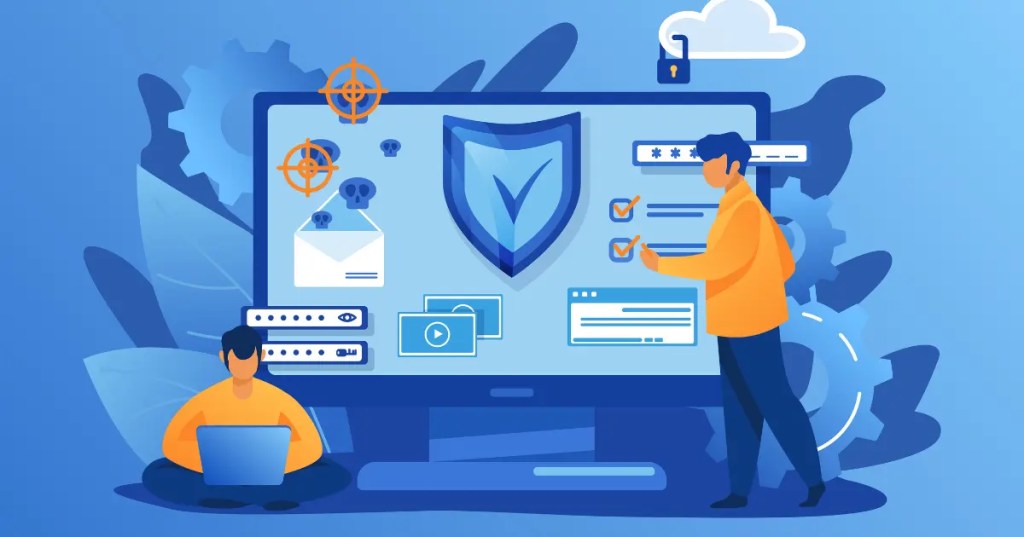
Multifactor authentication (MFA) adds an extra layer of security during login. It needs more than one type of proof, making it tougher for unauthorized users to get in. With encryption, firewalls, antivirus software, and MFA, cybersecurity shields us from threats and keeps our digital world secure.
Cybersecurity in Different Sectors
Cybersecurity is essential across various sectors, each with unique needs and challenges.
Cybersecurity in Healthcare
In healthcare, cybersecurity is vital for protecting patient information. It keeps sensitive health data safe and stops it from being stolen. By securing this data, cybersecurity helps maintain patient privacy and keeps their information intact. This protection is essential for ensuring patient information security and supporting overall privacy in healthcare.
Cybersecurity in Finance
In finance, cybersecurity is key to protecting your bank account and transaction details. It keeps your financial data safe from unauthorized access. Strong cybersecurity measures help you secure your money and personal information. Focusing on cybersecurity in finance means keeping sensitive data safe and blocking unauthorized access. This is essential for ensuring your financial transactions remain secure and trustworthy.
Cybersecurity in Education
Cybersecurity is vital in education for keeping student data and school data safe. It protects academic records and personal information. With strong cybersecurity, educational systems stay trustworthy and secure. This approach helps keep student and school data intact, ensuring a reliable and safe learning environment.
Cybersecurity in Government
In government agencies, cybersecurity is key to national security. It secures sensitive information and keeps critical data confidential and safe. By guarding against potential threats, cybersecurity prevents harm and keeps data intact. Focusing on cybersecurity in government ensures that sensitive information is well-protected, supporting national security and data safety.
Basic Cybersecurity Tips for Novices
Here are key cyber safety tips for beginners:
- Update Software and Operating Systems: Get the latest security patches to guard against new threats.
- Use Reliable Anti-Virus Software: Choose solutions like Kaspersky Total Security to detect and remove threats.
- Keep Software Updated: Regular updates ensure ongoing protection.
- Create Strong Passwords: Use passwords that are hard to guess.
- Avoid Suspicious Email Attachments: Don’t open attachments from unknown senders to prevent malware infection.
- Don’t Click on Unknown Links: Be cautious with links from unfamiliar sources to avoid spreading malware.
- Be Careful with Public WiFi: Unsecure networks can expose you to man-in-the-middle attacks, where attackers intercept your data.
 Security Digest